THE INDEX
Three or more, protect
The NHS says to check the UV index on a weather app or website and, if it is 3 or higher, consider protecting your skin. You can burn in the UK even when it is cloudy.
Check a level doodleray

WHAT THE GUIDANCE SAYS
You cannot see or feel ultraviolet.
The UV index measures the strength of the sun's ultraviolet rays. The Met Office points out it does not have to be hot or cloudless for UV to be high, and the NHS says that at 3 or above it is time to think about protecting your skin.
UV 3+ time to cover up
Check a UV levelTHE SHORT ANSWER
UV depends on how high the sun is, cloud and ozone.
Temperature has nothing to do with it.
THE INDEX
The NHS says to check the UV index on a weather app or website and, if it is 3 or higher, consider protecting your skin. You can burn in the UK even when it is cloudy.
Check a levelSUNSCREEN
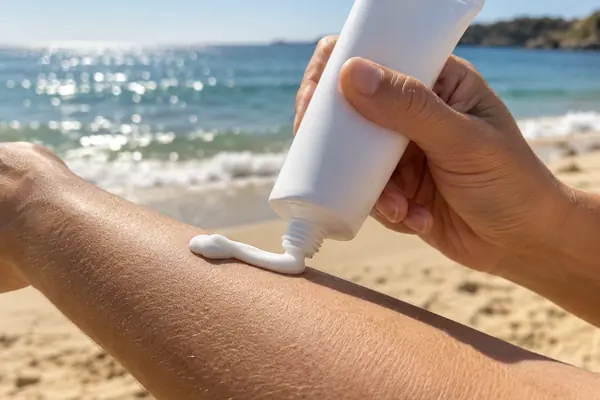
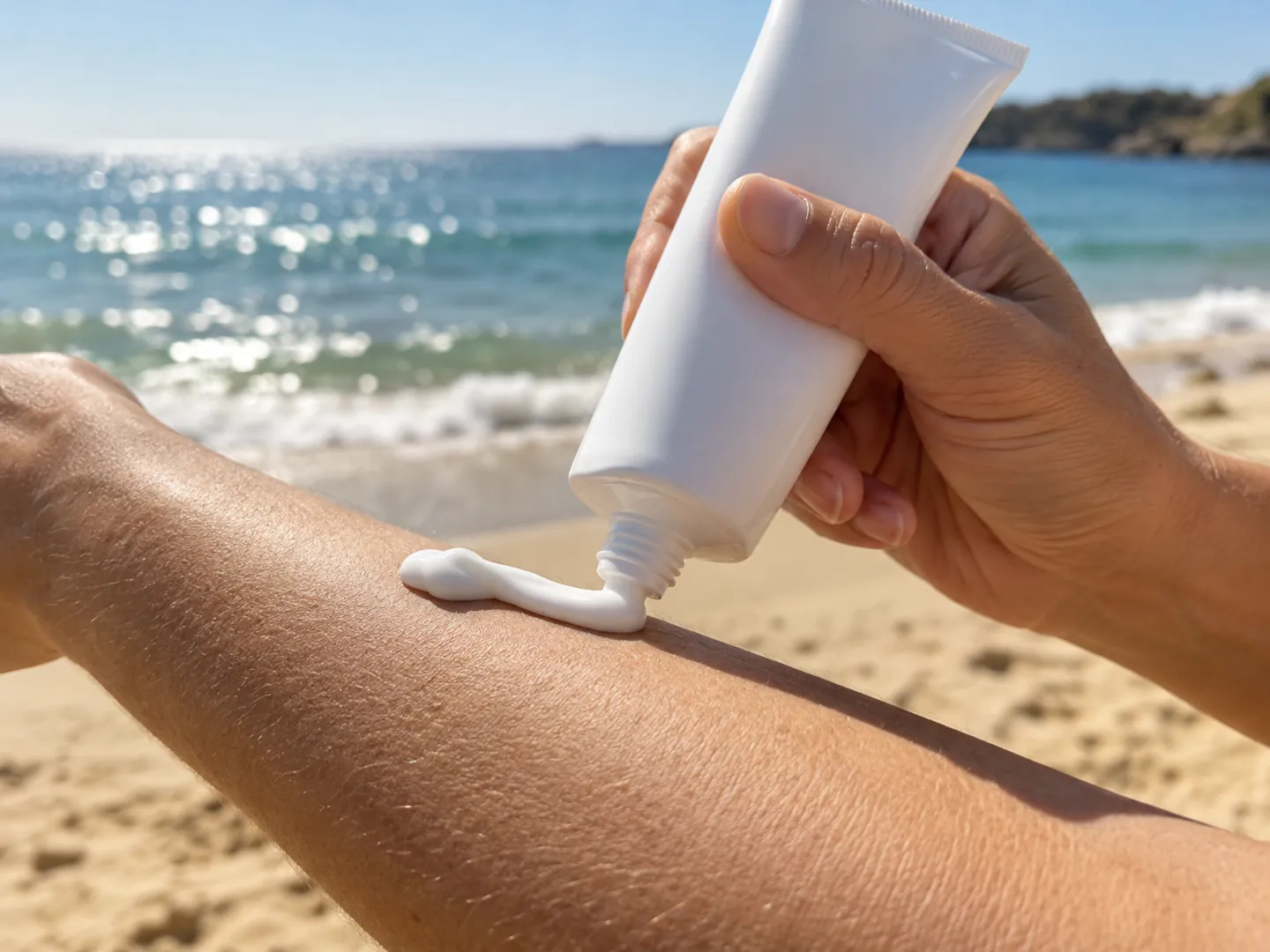
The NHS advises at least SPF 30 and 4-star UVA protection, about 6 to 8 teaspoons for an adult's whole body, reapplied every 2 hours and after swimming.
How to use itREFLECTION
The Met Office says snow reflects about 85% of the sun's UV. The NHS warns that water, sand and concrete reflect it too.
See the numbers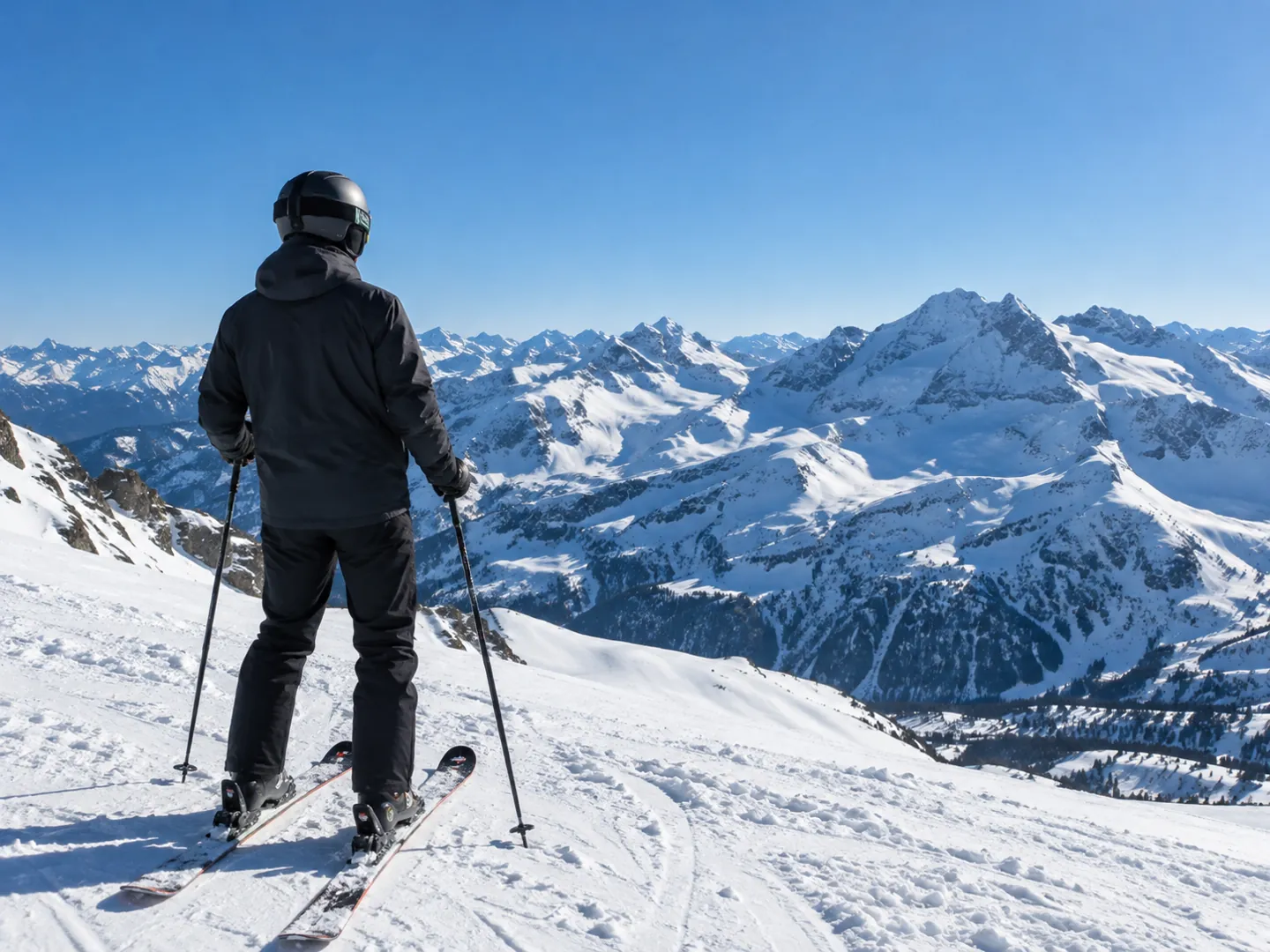
FOUR HABITS FROM THE GUIDANCE
The NHS says not to rely on sunscreen alone. These habits combine shade, clothing, sunglasses and sunscreen, as the guidance does.
Spend time in the shade when the sun is strongest; in the UK that is 11am to 3pm from March to October.
Wear a wide-brimmed hat, a long-sleeved top and close-weave fabrics that do not let sunlight through.
Put sunscreen on 30 minutes before going out and again just before, then reapply every 2 hours and after swimming or towel drying.
Choose sunglasses that block 99 to 100% of UVA and UVB. Wraparound styles give the best protection, says the Met Office.
TWO NUMBERS WORTH KNOWING
One figure on reflected UV,
one on how much sunscreen it takes.
≈ 85%
Share of the sun's UV reflected by snow
The Met Office says UV can be stronger in alpine areas in winter because snow reflects about 85% of the sun's UV rays, causing sunburn even in cold weather.
SNOW · MET OFFICE
6–8 tsp
Sunscreen for an adult's whole body
The NHS says most people do not apply enough. Adults should aim for around 6 to 8 teaspoons to cover the whole body; applied too thinly, protection is reduced.
SUNSCREEN · NHS
WHO says the UV index forecast gives the maximum daily UV level, which occurs in the four-hour period around solar noon. In the UK, the NHS says the sun is strongest between 11am and 3pm from March to October.
A QUICK UV CHECK
Pick a UV index level or a situation. The bar shows how strongly the guidance points to protecting yourself.
Based on WHO's UV index guidance, NHS sun safety advice and the Met Office. General information, not medical advice.
THE RAYS THEMSELVES
The Met Office explains that there are three types of UV radiation. UVC is mostly blocked by the atmosphere, but UVA and UVB reach the ground. On sunscreen labels, SPF measures protection against UVB and the star rating protection against UVA.
UV is not all bad: it helps the body make vitamin D. The NHS suggests striking a balance between protecting yourself from the sun and getting enough vitamin D, and says there is no safe or healthy way to get a tan.
Questions
It is the level where protection starts to matter. The NHS says if the UV index is 3 or higher, consider protecting your skin, and WHO recommends protective measures from 3, with extra caution at 8 and above.
Yes. The NHS says you can burn in the UK even when it is cloudy, and the Met Office notes the sky does not have to be cloudless for UV levels to be high.
SPF, or sun protection factor, measures protection against UVB. The NHS recommends at least SPF 30 and at least 4-star UVA protection.
The NHS recommends reapplying every 2 hours, and straight after being in water, even if it is water resistant, and after towel drying, sweating or rubbing.
The Met Office recommends sunglasses that block 99 to 100% of UVA and UVB. The NHS warns that sunlight reflected from snow, sand, concrete and water is particularly dangerous to eyes.
Updated
ABOUT THIS NAME
doodleray.com is part of the DoodleSale portfolio. It isn't in an auction right now, but you can ask about leasing it.